The price of Botox gets more attention than almost any other detail, and I understand why. The difference between a tempting special and a reputable practice can be hundreds of dollars. I have watched both sides play out in clinic rooms: a patient delighted by a subtle brow lift that softens forehead lines without freezing their expression, and another walking in to fix heavy eyelids after bargain injections placed too close to the brow depressors. Cost matters, but value matters more. When you know how Botox pricing actually works, what influences results, and where corners are sometimes cut, you can make a smarter decision that favors safety and natural outcomes without overpaying.
What you are really buying with Botox
Patients often assume they are buying a dose of a product, like a bottle from a shelf. Botox therapy is closer to a tailored service that happens to use a medication. The vial contains onabotulinumtoxinA, but the results come from the injector’s plan, their hand, and their judgment. A skilled injector reads a face the way a good tailor reads your posture and movement. They notice asymmetry, dominant muscles, how you animate when you talk or smile, and how your brow responds when you lift your phone to take a photo. Two people with similar forehead lines can need very different placements and doses. This interpretive work is part of what you pay for.
It helps to understand how it works. Botox for wrinkles blocks nerve signals to specific muscles so they relax. The effect softens expression lines, like forehead lines, frown lines between the brows, and crow’s feet at the outer eye. Small changes in placement change not only the look of the skin surface but how opposing muscles balance each other. That is how a Botox brow lift or eyebrow lift happens, and it is also how droopy eyelids occur when injections stray too low or dose is excessive. The material is consistent across legitimate sources. The art lies in using it well.
Making sense of price per unit vs. price per area
Most practices price either by unit or by area. Unit pricing sounds straightforward, but it can mislead if you do not also ask how many units are recommended for your specific concerns. A very low price per unit can be offset by unexpectedly high units, which leaves you with the same total cost and potentially a heavier, less natural result. Pricing by area feels predictable, Additional info yet it creates room for frustration if a provider caps units too tightly and under-treats to fit the price.
If you want a frame of reference, the typical ranges for common cosmetic areas are well known. Forehead lines often take 6 to 12 units, but that number depends on how strong your frontalis is and how much brow movement you want to preserve. Glabellar frown lines can run 10 to 25 units depending on anatomy and gender, since men often have stronger corrugators. Crow’s feet can require 6 to 12 units per side. When a patient asks for subtle Botox or Baby Botox for first time Botox or preventative Botox, the plan often starts at the lower end, with careful placement and a two-week refinement if needed.
Medical indications change the math. For hyperhidrosis in the underarms, dosing can exceed 50 units per side. Masseter Botox for jawline contour or for TMJ, teeth grinding, and jaw clenching may require 20 to 40 units per side initially, then maintenance at lower doses. Calf reduction or trapezius reduction for shoulder tension demands large amounts and a clear conversation about cost before anyone opens a vial. It is normal that a practice charges differently for these high-dose procedures.
Why some Botox is cheaper than other Botox
There are a few honest reasons prices differ. Overhead, location, and brand participation programs influence price. Practices that purchase larger quantities legitimately from the manufacturer or authorized distributors may receive volume pricing or rebates. Some clinics run seasonal Botox specials, introductory Botox deals for new patients, or loyalty discounts. None of this inherently compromises quality if the product is authentic and the injector is qualified.
Then there are the flags that should make you pause. The product must be reconstituted from a powder with sterile saline. If a practice dilutes the product beyond the manufacturer’s recommendation to stretch a vial, you may pay less and also get a weaker effect that wears off early. If a clinic sources Botox cosmetic or related toxins from gray-market channels, you can end up with counterfeit or improperly stored product. I have seen syringes arrive from the back with no chain-of-custody documentation and no box, which is not acceptable. A clinic should be able to show you the box with intact hologram and lot number on request.
The other major driver of pricing is expertise. Board certified physicians, experienced nurse injectors, and dermatologists who perform Botox injections daily charge more because they have developed judgment and manage complications safely. Their costs include advanced training, peer supervision, emergency kits, and enough room in the schedule to assess, inject, and follow up properly. The cheaper option often compresses the visit to a few minutes and treats everyone with the same pattern and dose. That might work for straightforward cases, but it is not how you get the best Botox results or avoid avoidable side effects.
Authenticity, storage, and dose: the unglamorous details that protect you
Botox is a temperature-sensitive biologic. It must be shipped cold, stored refrigerated, and used within a set time after reconstitution. If it warms for too long or sits for too many weeks after mixing, potency can drop. That leads to limited duration or incomplete relaxation. When patients tell me their Botox used to last four months and now wears off in six weeks despite similar dosing, I examine storage practices before changing the plan.
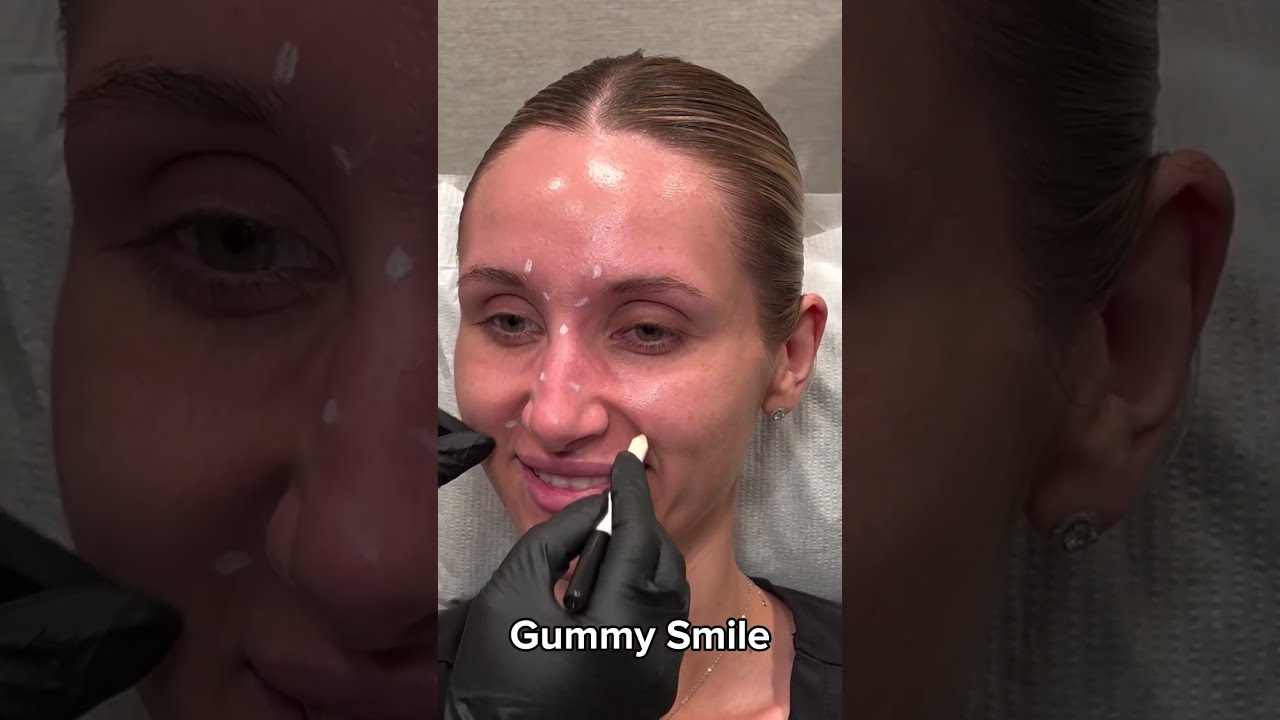
Dose matters, but so does distribution. For brow lines, a lighter dose across more micro-points can smooth without heaviness. The same is true for crow’s feet where too few points can create fan-like breaks between treated and untreated fibers. Micro Botox and Baby Botox describe this approach more than a specific brand. For a gummy smile or bunny lines across the upper nose, two to four small points can transform a smile without changing speech or lip function. Precision and restraint produce natural, subtle Botox, not a fixed mask.
Areas beyond the basics, and how that affects value
Botox for face covers far more than forehead, frown, and crow’s feet. Done properly, a small brow lift opens hooded eyes. A gentle chin treatment can smooth pebble chin or chin dimpling. Treating downturned mouth corners softens a perma-frown. Platysma bands in the neck respond to carefully spaced points, which can improve the look of a “turkey neck” in select cases, and some patients see benefit along the jawline where the platysma pulls down. Décolletage lines do not respond as predictably, and I usually discuss other modalities in combination.
" width="560" height="315" frameborder="0" allowfullscreen="" >
Masseter treatment deserves special mention. Botox for square jaw, jawline contour, facial slimming, and jaw slimming overlaps with medical reasons like TMJ, teeth grinding, and jaw clenching. Patients often notice both aesthetic contouring and functional relief. Chewing fatigue is common for a week or two. If you rely on strong chewing for your work, or you are a wind instrument musician, say so upfront. Dosing must balance relief with your lifestyle. This is a perfect example where the cheapest price can be penny wise and pound foolish. An experienced injector adjusts dose and schedule to avoid hollowing or shifting bite mechanics.
Beyond the face, underarm hyperhidrosis treatment transforms daily life. Hands sweating and feet sweating also respond, but injections can be uncomfortable and the dose is high. For shoulder tension, neck pain, and back pain, trapezius and paraspinal injections can help carefully chosen patients, though this is best managed by someone who also treats chronic pain or migraine. Botox for chronic migraine follows a standardized protocol with fixed sites and doses. It can substantially reduce headache days when performed regularly. These medical indications reinforce why product integrity and injector training matter more than shaving a few dollars.
On safety, side effects, and what “cheap” can cost
Even in expert hands, Botox side effects occur. Small bruises, mild headaches, and transient tenderness are common. Asymmetry happens when one side responds differently; this is often corrected at a two-week check. Eyelid heaviness after glabellar or forehead treatment usually reflects low or imprecise placement. It tends to improve as the medication wears off, but it can alter your appearance for weeks. When a bargain injector takes a “cookie cutter” approach, these risks increase. Treating tear troughs, under eye wrinkles, or eye bags with Botox is rarely the right tool. Misplaced toxin can worsen under eye issues or cause a strange smile if the zygomatic muscles are affected.
I evaluate Botox safety with three questions. Is the product authentic and properly stored? Is the injector trained to read your facial anatomy at rest and in motion? Is there a plan for follow-up and adjustment? Cheap offerings that cannot answer all three deserve skepticism. A Certified Botox provider or Board certified Botox doctor is not a guarantee of perfection, but the odds are better that you will receive a Botox cosmetic injection with the right dose, placement, and aftercare.
Managing expectations: how long it lasts and what maintenance entails
Patients ask two questions repeatedly: How long does Botox last, and when does Botox wear off? Most people see peak effect at two weeks, then a gradual fade beginning at two to three months, with motion returning fully by three to four months. Highly active individuals, those with faster metabolism, or people with strong baseline muscle tone may need Botox maintenance a little sooner. For Baby Botox and Micro Botox, expect a softer look and shorter duration, often closer to eight to ten weeks, which suits patients who prize subtle changes over stillness.
Your first treatment often runs conservative, especially for first time Botox, with a fine-tune at the two-week mark. Photos taken before and after help both you and your injector judge dose for next time. Most patients settle into a rhythm of two to four visits per year. If your Botox results never last beyond six weeks, review dose, product integrity, and whether other non surgical Botox alternatives or adjuncts would serve you better.
Pricing transparency and finding value without overspending
There is an honest way to save money on Botox treatment without compromising care. Ask about loyalty programs that the manufacturer offers. Many practices pass these through and they can reduce your per-visit cost by a meaningful percentage over the year. Book combined appointments for multiple areas when appropriate to avoid minimum charges. If you need smaller touch-ups between full sessions, discuss partial-area pricing rather than paying a full area fee.
One of the two lists allowed in this article appears below. Use it as a quick filter when comparing practices:
- Confirm the injector’s credentials, daily volume, and regular training. Ask who treats you, not just who owns the clinic. Ask whether Botox is purchased through authorized channels, and request to see the box with lot number and expiration. Clarify whether pricing is per unit or per area, and what typical unit ranges are for your goals. Schedule and attend a two-week follow-up to refine asymmetry or adjust dose if needed. Request clear guidance on Botox recovery, expected Botox downtime, and who to contact for unexpected side effects.
This checklist takes five minutes and will tell you more than any flashy ad. If a practice resists simple questions, keep looking.
When Botox is not the best tool
Consumers lump fillers and neuromodulators together, but Botox vs filler is not a small distinction. Botox softens movement-generated lines. Dermal fillers add volume or structure. Static lines etched into the skin, acne scars, and deeper folds often need resurfacing, fillers, or a combination approach. Botox for lips as a “lip flip” relaxes the orbicularis oris to show more vermilion, but it does not add volume or correct asymmetry in the same way a hyaluronic acid filler would. Botox for under eye wrinkles is tricky and can worsen crepiness if not used carefully. Heavy brows from sagging skin generally need other strategies. A skilled injector explains these limitations without upselling. Sometimes the best Botox is a smaller dose paired with skin tightening modalities or a filler to support the midface. Other times, the right answer is a Botox alternative or a staged plan to avoid the “done” look.
The art of subtlety: what natural results actually look like
Natural Botox results do not mean zero movement. They mean you can raise your brows without accordion lines across the forehead, frown without a deep “11,” and smile while the outer eye looks rested rather than pleated. For expression lines around the eyes and smile lines at the corners of the mouth, you want softening that preserves the character of your face. Over-treating the frontalis can drop the brows and create a flat, heavy look. Under-treating the glabella can leave a semi-angry crease that returns too soon. For facial slimming using masseter treatment, the goal is a gentle V-shape over months, not sudden hollows. If you see dramatic changes in a week, consider whether dose or technique was too aggressive.
I have patients who like a slightly stronger look every holiday season, then we step back to a maintenance dose. Others prefer micro doses year-round. The common thread is consistent documentation and a shared goal. Photos and notes matter. The most satisfying Botox before and after sets in my files are not blockbuster transformations, but quiet refinements that age well across years.
Student budgets, wedding timelines, and other real-world constraints
Botox cost should not shame anyone. I have worked with graduate students who save for a small frown line treatment before job interviews and brides who plan six months ahead to finesse timing for forehead lines and a gummy smile. Factors like travel, childcare, and work obligations shape your plan as much as budget. If you can only come once or twice a year, target the areas that bother you most. For many, the glabella gives the most visible “I look rested” payoff. If you are on camera often, crow’s feet can make a disproportionate difference. When funds are tight, skip experimental areas and stick to proven zones with predictable benefit.
Be transparent about your priorities. A good clinic will help sequence treatments and avoid unnecessary add-ons. When a practice focuses more on chasing every possible indication, from décolletage to double chin, in a single visit, outcomes usually suffer. Botox for body contouring, calf reduction, or turkey neck should be reserved for very specific cases with frank discussion about evidence and expectations.
How I counsel first-timers
For first timers, I start by watching the face at rest, in conversation, and with exaggerated expressions. I ask what they see in the mirror that bothers them and what they fear most. Many fear looking “frozen.” We choose one or two areas, often the frown lines and a light pass on forehead lines, with the promise to add later if they like the change. I explain Botox risks and the small chance of a bruise, mild headache, or eyelid heaviness, then the short Botox downtime. I tell them their results peak at two weeks. We book a follow-up and take quick photos. If they are happy, we mark the units as a baseline and discuss Botox maintenance timing. If they need a small tweak for symmetry, we do it. This approach costs a little more time, not necessarily more money, and it builds trust.
What bad outcomes teach
Some of my most loyal patients came after an unsatisfying experience elsewhere. I do not disparage other clinicians. Instead, we study what happened. A heavy brow after aggressive forehead treatment with no glabellar dosing is a classic pattern. The frontalis was over-relaxed without addressing the brow depressors. Fixing it immediately is difficult, but we can plan smarter next time, share the exact unit map, and let the prior dose wear off. For a pebbled chin that did not smooth, the dose may have been too low or scattered. For droopy eyelids after a brow lift attempt, I explain how product migration can occur when points are too low or massaged afterward. These cases highlight why a rushed, bargain session can end up expensive in lost time and confidence.
Striking the balance: pay for judgment, not hype
If your goal is Affordable Botox that does not sacrifice results, the sweet spot is a clinic that values education, tracks outcomes, and prices fairly. You do not need the most expensive zip code or a marble lobby. You do need a consistent injector with a conservative philosophy and a willingness to say no when Botox is not the answer. Pay attention to the time a provider spends assessing your unique patterns, not the number of influencers on the wall. Ask for a plan that anticipates your next visit and lays out what will and will not be treated. Look for honest discussion of Botox risks and clear aftercare.
Here is the second and final list in this article, a short set of red flags that signal you may be sacrificing quality for price:
- No consultation or facial assessment before the syringe appears. Unwillingness to disclose unit counts, lot numbers, or storage details. Promises of results lasting far beyond typical three to four months. Extremely diluted, “large-area for tiny price” offers without specifics. Pressure to add fillers or extra areas every visit without clear rationale.
The long view
Botox is not a one-time procedure. The real value shows over years. Thoughtful dosing preserves your facial identity, reduces the urge to chase trends, and avoids the cycle of overcorrection and regret. A sensible schedule usually means two to four sessions a year, with subtle adjustments that reflect changes in your skin, lifestyle, and goals. Combined wisely with skincare, sunscreen, and selective treatments like fillers or resurfacing, Botox for anti aging becomes a quiet, reliable tool.
Affordability and quality are not enemies. They meet where transparency, skill, and realistic expectations live. Keep your standards high on product authenticity and injector expertise, stay flexible on timing and area selection, and let your results, not a coupon, guide your next appointment.